2026 AHA/ACC/ADA/ASN Guideline for the Prevention, Detection, Evaluation, and Management of Cardiovascular-Kidney-Metabolic Syndrome
Updated: June 09, 2026
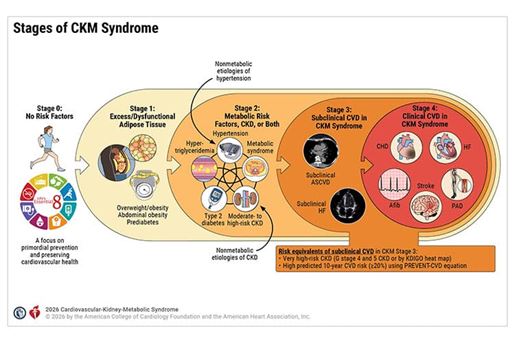
AIM The “2026 AHA/ACC/ADA/ASN Guideline for the Prevention, Detection, Evaluation, and Management of Cardiovascular-Kidney-Metabolic Syndrome” retires, replaces, and expands upon the “2013 AHA/ACC/TOS Guideline for the Management of Overweight and Obesity in Adults.” The primary intended audience for this guideline is clinicians who care for patients across the spectrum of cardiovascular-kidney-metabolic syndrome, an interrelated condition characterized by the interconnections among metabolic risk factors (including obesity and type 2 diabetes), chronic kidney disease, and cardiovascular disease.
METHODS A comprehensive literature search was conducted from October 29, 2024, to April 14, 2025, to identify clinical studies, systematic reviews and meta-analyses, and other evidence conducted on human subjects that were published since 2015 in English from MEDLINE (through PubMed), EMBASE, the Cochrane Library, the Agency for Healthcare Research and Quality, and other selected databases relevant to this guideline.
STRUCTURE The focus of this clinical practice guideline is to create a living, working document that provides current knowledge in the field of cardiovascular-kidney-metabolic syndrome aimed at all practicing cardiologists, endocrinologists, nephrologists, and primary care and specialty clinicians who manage these patients.
In this video, Writing Committee Chair Chiadi E. Ndumele, MD, PhD, MHS, FAHA and Vice Chair Fatima Rodriguez, MD, MPH, FAHA, FACC discuss the growing clinical and public health burden of cardiovascular-kidney-metabolic (CKM) syndrome, highlighting the interconnected roles of obesity, diabetes, chronic kidney disease, and cardiovascular disease. They outline the guideline’s goal to provide a unified, evidence-based framework across specialties, emphasizing earlier risk detection (including PREVENT equations), CKM staging across the life course, and routine assessment of metabolic and kidney health.
CKM Syndrome Guideline Unpacked: A Unified Approach for Interdisciplinary Prevention & Care
Join us live for a dynamic, interdisciplinary virtual summit where leading experts translate science into action. Discover enhanced screening tools, evidence-based therapies, and coordinated care models that can reshape outcomes for millions of patients.